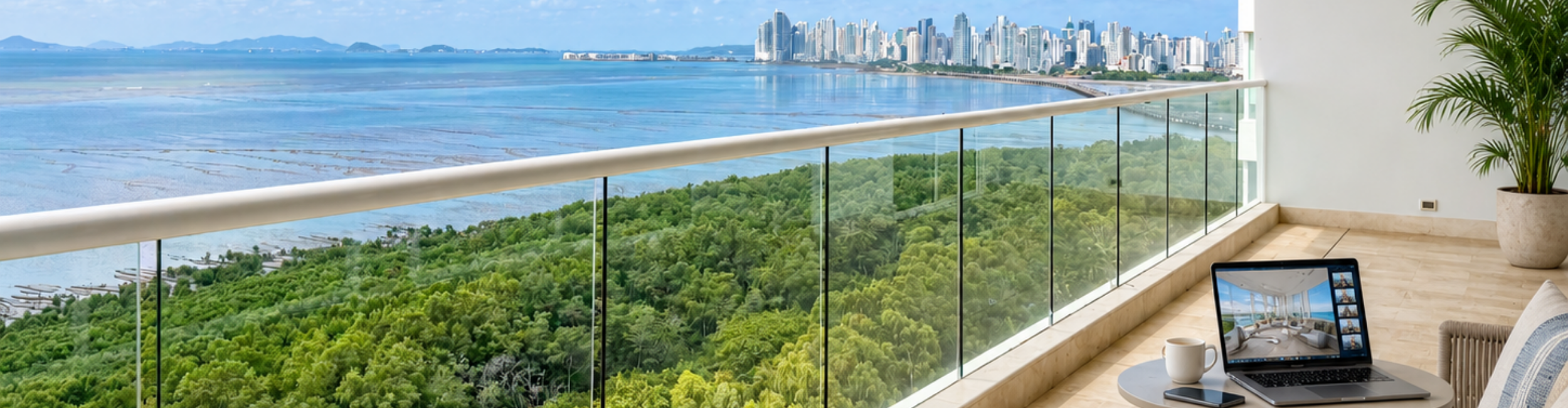
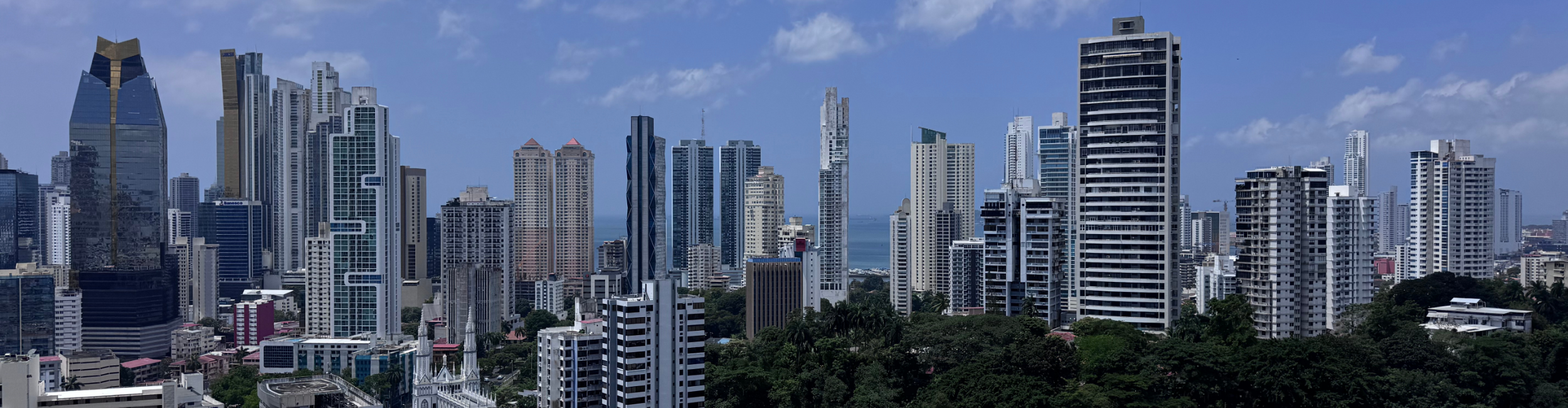
For more than a decade, Panama City real estate prices have remained surprisingly stable while many global markets experienced aggressive growth. In cities across Europe and North America, apartment prices surged dramatically after 2010. Yet in Panama, many residential properties have traded within relatively similar price ranges for years.
This raises an important question:
Has Panama’s real estate market been standing still… or has it simply not fully repriced yet?
After nearly 15 years of observing the Panama real estate market firsthand, we believe this topic deserves serious attention from buyers, investors, and property owners alike.
At Panama Home Realty, we have watched multiple global real estate cycles unfold while Panama remained one of the few international markets with relatively stable pricing. And historically, long periods of stagnation in real estate markets have often been followed by entirely new growth phases.
This article is not a prediction of explosive price increases.
It is an analysis of historical market behavior, economic parallels, and why Panama may now be entering a very different phase than the one investors became used to over the past decade.
The Global Reality: Property Prices Exploded in Many Countries
Since 2010, residential real estate prices increased sharply across many international markets.
According to OECD and European housing data, several countries experienced extraordinary long-term growth in residential property values.
Portugal is one of the clearest examples.
Between roughly 2007 and 2013, Portugal experienced falling or stagnant housing prices following the financial crisis. Research from Banco de Portugal shows that house prices declined approximately 4% annually during that period.
Then the cycle changed.
Since 2013, Portugal’s housing market has experienced one of the strongest recoveries in Europe. OECD analysis states that house prices significantly outpaced incomes after 2013, while multiple reports indicate that prices more than doubled over the following decade.
Germany experienced a similar structural shift.
For many years after reunification, German property prices remained relatively subdued compared to other European countries. However, beginning around 2010, residential property prices started rising continuously. The Deutsche Bundesbank describes a “continuous rise in residential property prices” during the decade following 2010.
In Spain, the market went through a deep correction after 2008 before stabilizing and gradually recovering in the years that followed.
The important pattern is not that every country experienced identical growth.
The important pattern is that long periods of stagnation or correction were often followed by entirely different market dynamics once supply, demographics, investment demand, inflation, and confidence shifted.
Panama’s Situation Is Unique
What makes Panama interesting today is that prices in many areas of Panama City still have not moved aggressively despite:
- Global inflation
- Rising construction costs
- Increased international migration
- Growing rental demand
- Dollar-based stability
- Major infrastructure expansion
- Limited premium inventory in key areas
In many international cities, replacement costs for comparable properties increased dramatically over the past decade.
Yet in Panama, resale prices in numerous buildings have remained surprisingly stable.
This does not mean every property in Panama is undervalued.
And it certainly does not mean prices will suddenly surge everywhere.
But it does raise an important strategic question:
What happens when a market stays relatively flat for 10–15 years while the global economy, construction costs, and international capital flows change significantly around it?
Why Long-Term Stagnation Sometimes Creates Opportunity
Historically, some of the best long-term buying opportunities emerged during periods when markets felt “boring.”
Not during hype.
Not during panic.
But during long periods when buyers lost urgency because prices seemed unchanged year after year.
In real estate, psychology often changes slowly — until it changes very quickly.
We believe Panama may be approaching an important transition point because several structural factors are now aligning simultaneously:
- Panama City remains relatively affordable compared to many international capital cities.
- Rental demand has strengthened in multiple sectors.
- Construction and labor costs are no longer cheap globally.
- Premium inventory in the best locations is becoming more selective.
- International buyers continue discovering Panama for residency, investment, retirement, and business relocation.
At the same time, many sellers are still pricing properties based on an older market mindset shaped by years of stagnation.
Historically, these types of conditions have often existed near the later stages of long flat cycles.
Panama Is Not Europe — And That Matters
One of Panama’s advantages is that it is still earlier in its international real estate development cycle compared to many mature European markets.
The country combines:
- U.S. dollar stability
- International banking
- Territorial taxation
- Strategic geographic position
- Strong connectivity
- Favorable retirement and residency programs
- A growing international population
Yet pricing in many residential sectors still does not fully reflect the level of infrastructure and international positioning Panama City has developed over the last decade.
This is one reason why many long-term investors continue watching Panama closely.
The Real Opportunity May Be Timing
Nobody can predict exact market movements.
And responsible real estate analysis should never promise guaranteed appreciation.
However, history repeatedly shows that markets do not remain disconnected from economic reality forever.
Portugal changed.
Germany changed.
Spain changed.
Many other markets changed after long periods of stagnation.
The question is not whether Panama will copy those countries exactly.
The real question is whether Panama may eventually experience its own version of a market repricing after years of relative stability.
At Panama Home Realty Articles, we believe serious investors should at least be asking that question now — not after the market has already moved.
Final Thoughts
For nearly 15 years, Panama’s residential market has frustrated some investors because prices did not move the way they did in Europe or parts of the United States.
But long stagnation cycles sometimes create the foundation for future opportunity.
Not because of speculation.
But because markets eventually adapt to changing economic conditions, replacement costs, demand shifts, infrastructure growth, and international capital movement.
Panama may still be one of the few international real estate markets where buyers can purchase quality property in prime areas before a major long-term repricing fully occurs.
And historically, those moments rarely feel obvious while they are happening.
Relevant service
Propertymanagement
Panama Home Realty offers Property Management services, in charge of fulfilling the needs of both the property owners and residents in apartments under our management.
About this service
Over 20 years of experience in real-estate
With extensive knowledge of the local market, we provide insights to help you make informed decisions.
We try our best to be as transparent as possible with all of our services, offering free consultancy to better understand your needs.
From helping you making your first move in real-estate market, to hands-free management of your properties. All under one roof.