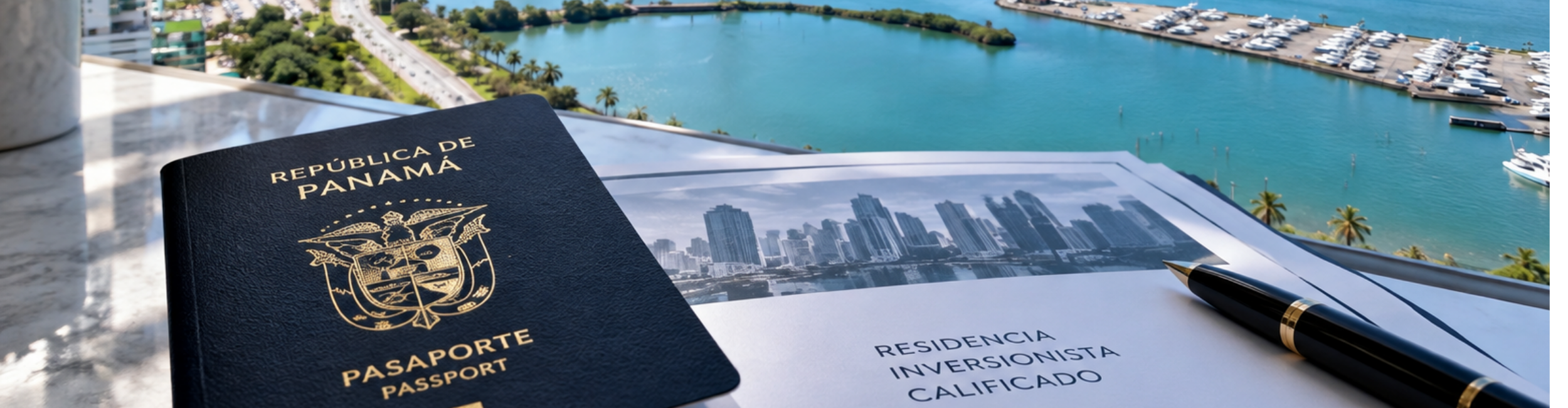
A traveler can land in Panama, change planes and leave without ever seeing the country. From the airport, that can make Panama look like a convenient space between two other places.
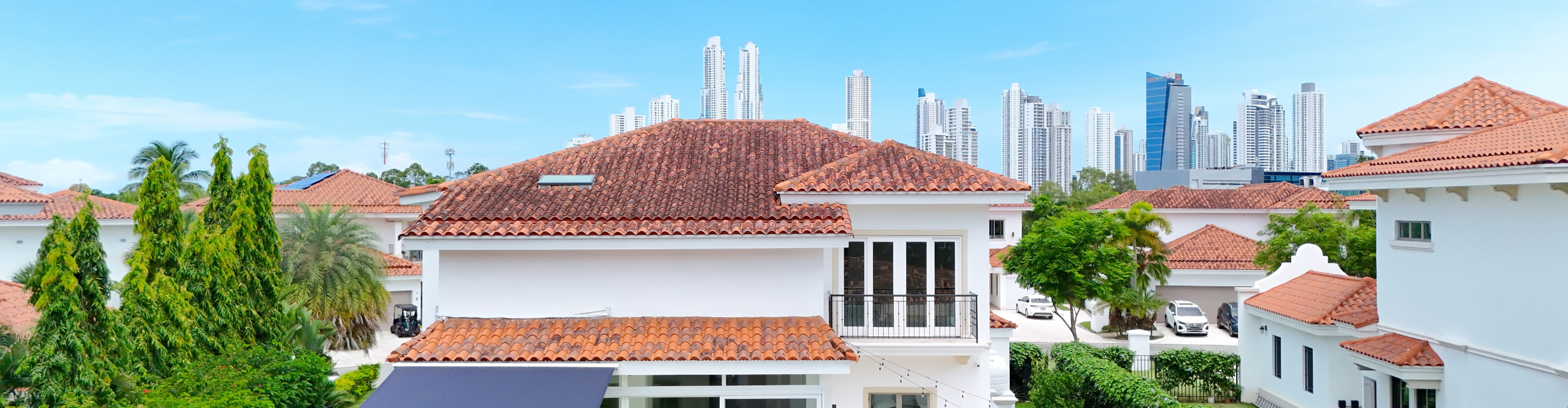
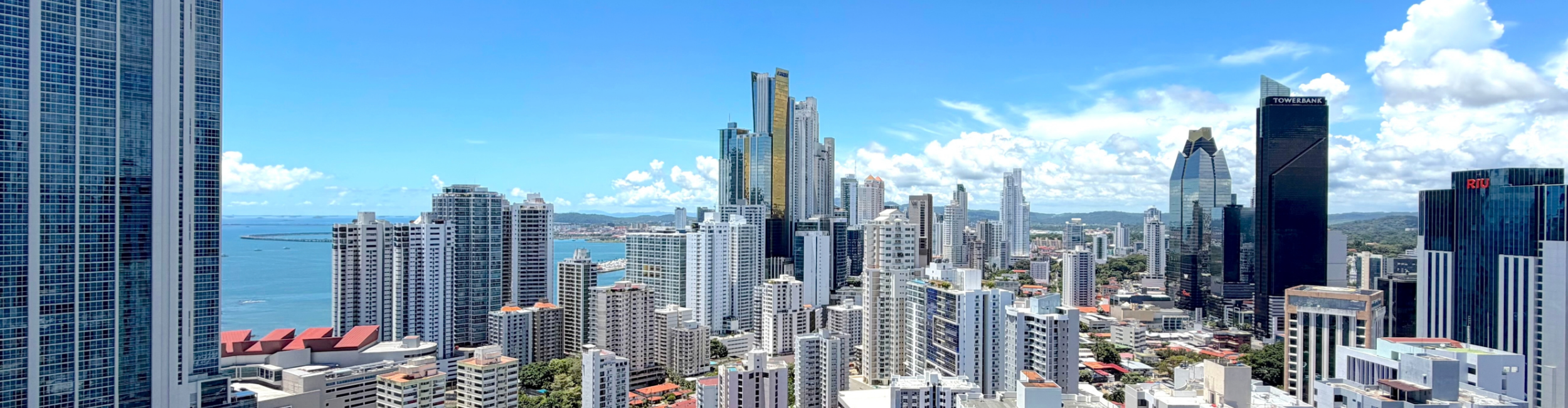
From a ship, it can look like a shortcut between oceans. From a photograph, it can look like a skyline next to the Pacific.
Those views explain why Panama is internationally visible. They do not explain why people build their lives here. Panama is a Central American country joining the landmasses of North and South America, with a Caribbean coast, a Pacific coast and a capital that functions as a major urban center. Its 2023 census counted 4,064,780 residents. They do not live inside an airport terminal or a Canal statistic.
To get a better sense of the country, start with the famous connections. Then follow them beyond the point where most travel stories end.
The Panama Behind the Airport, Canal and Skyline
Tocumen is a hub, not a count of tourists
In 2025, Tocumen International Airport reported approximately 20.98 million passenger movements and 97 international destinations. It is tempting to hear those numbers and imagine almost 21 million people arriving to explore Panama. That would be wrong. A large share of the airport’s passengers are connecting travelers; passenger movements are not a count of visitors who entered the country.
Copa Airlines calls its operation at Tocumen the Hub of the Americas. The idea is simple: flights from many cities meet in Panama, and passengers continue to other destinations. For eligible connections on Copa itineraries, passengers generally do not go through Panamanian immigration and their checked bags continue to the final destination. Panama works for this role because of where it sits in the Americas and because an airline and an airport built a network around that position.
This matters even if you never plan to work in aviation. Someone living in Panama with family abroad may value the ability to travel; a company may value access to regional markets. But a destination count is not a promise of a direct flight to your particular city, on your preferred date, at a good fare. The useful way to judge the hub is to search the trips you would actually make.
And there is a more interesting question than how many people pass through: what does Panama offer the person who decides to leave the terminal?
The Canal made the location famous; it did not create the whole country
The Panama Canal Authority recorded 13,404 vessel transits in fiscal year 2025. The waterway gives ships a route between the Atlantic and Pacific without sailing around South America. Its place in world trade is enormous, and its history is inseparable from Panama’s.
Yet reducing Panama to the Canal is like describing a city only by its railway station. The infrastructure tells you how others move through it. It says little about the people who stay. Panama has schools, universities, businesses, farms, Indigenous communities, historic districts and neighborhoods with very different daily rhythms. The Canal belongs in the story; it cannot be the entire story.
That distinction matters to someone considering a move. A country’s role in global commerce may be reassuring, but your own week will be shaped by much smaller distances: between home and school, work and supermarket, friends and family.
Panama City is a real city, including its inconvenient hours
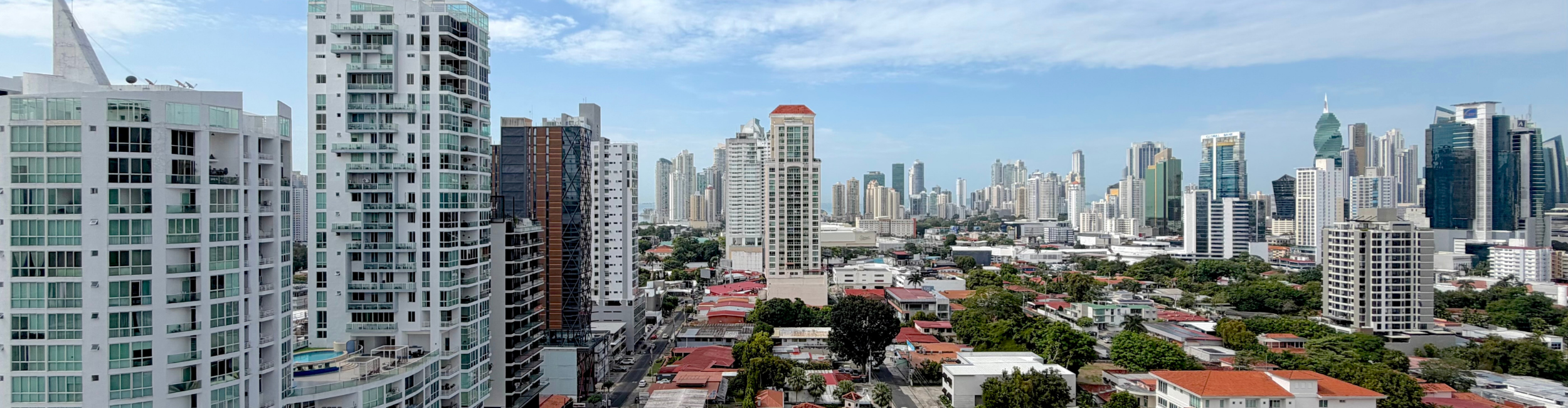
The glass towers along the Pacific are an honest image of Panama City. So are a school run at rush hour, a walk through an older neighborhood and a journey that looks short on a map but takes longer than expected. The capital has international businesses and familiar services. It also has traffic and the practical compromises of urban life.
There are two metro lines in operation. A branch of Line 2 reaches Tocumen Airport. Line 3 is under construction, with a first phase planned to connect Albrook and Panamá Oeste over roughly 25 kilometers and 11 stations. It is a meaningful infrastructure project, but a line being built is not a line you can take today; an operating line does not put every building near a station.
For a resident, the question is not simply whether Panama has a metro. It is whether the home, work and places that matter to you fit the city’s actual routes. We recommend testing a likely commute at the time you would normally travel and walking the streets around a prospective building. Our guide to Panama City neighborhoods is a starting point for comparing the different ways to live in the capital.
One country, more than one climate or way of life
Panama is not a small Caribbean island. It is an isthmus with two coastlines and a range of places that do not feel interchangeable. Panama City faces the Pacific. Bocas del Toro is on the Caribbean side. Boquete sits in the highlands of Chiriquí, with a different climate and pace from the capital. Choosing among them is not a matter of deciding which photograph is prettiest. It changes your access to services, travel times and ordinary routine.
The country also has natural and historical depth that an airport connection cannot reveal. World Bank data put forest cover at approximately 56.3% of Panama’s land area in 2023. The tourism authority describes more than 1,000 bird species living in or migrating through Panama. UNESCO recognizes sites including Darién National Park, Coiba National Park and the historic area encompassing Panamá Viejo and Casco Antiguo.
These places are part of the same Panama as the towers and the airport. None makes every address equally green, walkable or convenient. To appreciate the country’s variety, visit more than one region and notice how the things you need each week change from place to place.
The familiar currency does not make every decision simple
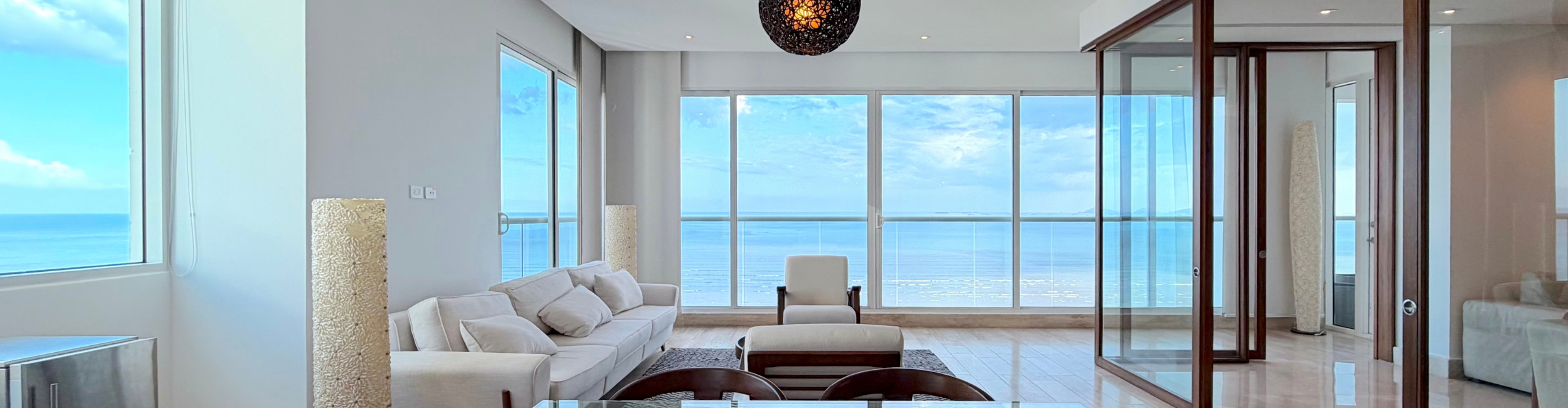
Panama uses U.S. dollar banknotes, with Panamanian balboa coins also circulating. For many international buyers and residents, that is easier to understand than a fluctuating exchange rate. It does not tell you what an apartment really costs to live in or own.
A housing budget includes more than a listing price: building fees, upkeep, utilities, transport and the costs that follow from your location and routine. Those amounts vary from one property and household to another. Our Panama City cost-of-living guide puts the everyday figures into a more useful frame.
At Panama Home Realty, our published account of sixteen years investing, renovating, leasing and managing more than 150 properties explains why we look beyond an attractive listing. A buyer needs to know how a building is administered, what recurring expenses to expect, who can handle a problem when the owner is away and whether the address suits the life or rental plan behind the purchase. We cannot infer those answers from Panama’s national statistics. They require attention to the specific property.
If you are beginning that process, our guide to buying your first property in Panama goes through the next steps. The country’s connections can help explain why you became interested. A sound purchase depends on understanding what happens after the keys change hands.
Panama is a crossroads, but it is also a country in its own right. The airport brings the world through it. The Canal carries ships across it. The metro moves people around part of its capital. To decide whether a place here could be home, go beyond all three: spend time in the streets you would use, travel the routes you would repeat and ask the questions that only a particular home can answer.
Relevant service
Legalservices
We can guide and assist you with the whole process of obtaining a property, open bank account, getting a mortgage, loan, visa and many more!
About this service
Over 20 years of experience in real-estate
With extensive knowledge of the local market, we provide insights to help you make informed decisions.
We try our best to be as transparent as possible with all of our services, offering free consultancy to better understand your needs.
From helping you making your first move in real-estate market, to hands-free management of your properties. All under one roof.